Buying your first home in Strafford County can feel exciting and overwhelming at the same time. Prices, competition, inspections, and financing details can all hit you at once, especially if you are trying to move from renting into ownership without making a costly mistake. The good news is that a clear plan can make the process much more manageable, and that is exactly what you will get here. Let’s break down what to expect and how to prepare.
Understand the Strafford County market
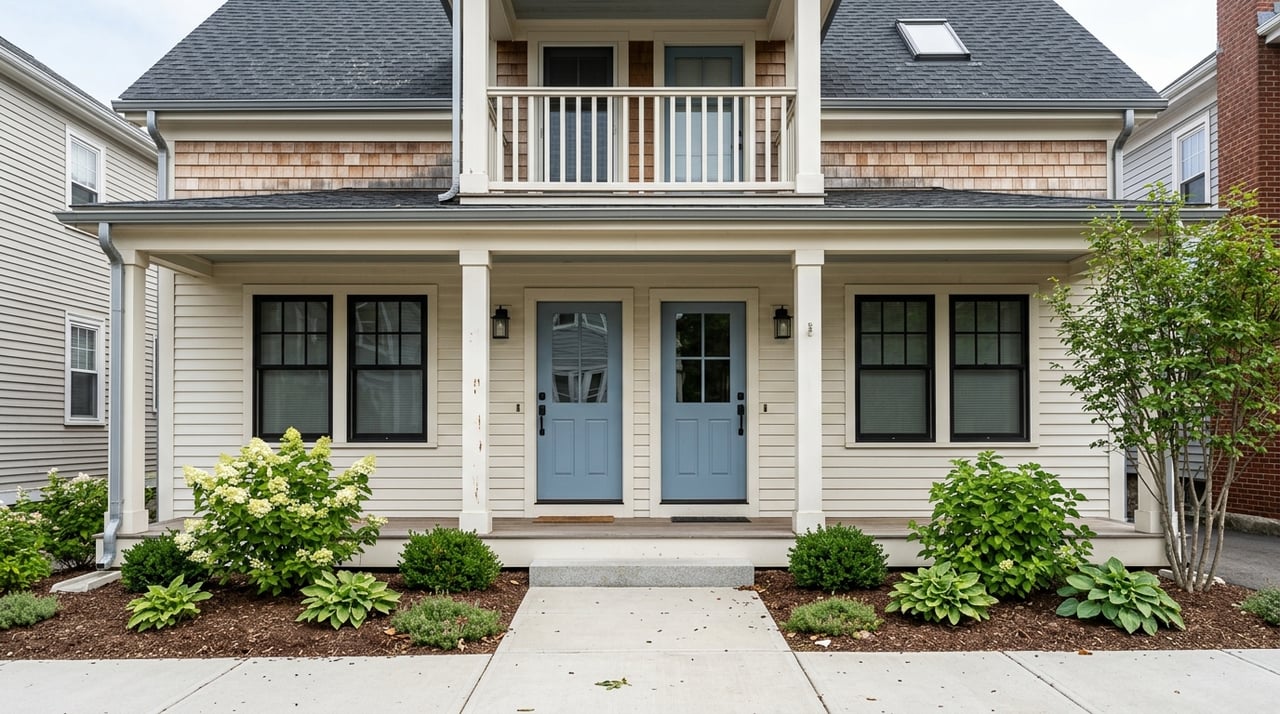
Strafford County gives first-time buyers more variety than many people expect. Along with detached homes, the housing mix includes condos, townhomes, duplexes, and small multifamily properties, with 19% of the county’s homes made up of single-family attached, duplex, and 3-4 unit properties. That matters if you want a lower-maintenance option or are exploring an owner-occupied property with rental income potential.
The market also moves quickly. As of late April 2026, Zillow reported a typical home value of $504,962, a median sale price of $461,978, 182 homes for sale, and 9 days to pending. Realtor.com also described Strafford County as a seller’s market in March 2026, with a 27-day median days on market and a 100% sale-to-list ratio.
Prices can look very different depending on where you search. Recent town-level figures showed Rochester at $452,310, Somersworth at $475,000, Farmington at $442,000, Dover at $689,900, Barrington at $659,900, and Durham at $767,500. If you are flexible on location or property type, that flexibility may open up more realistic entry points.
Build your budget first
Before you start touring homes, get honest about your numbers. The monthly payment matters more than the list price because your real budget includes principal, interest, property taxes, insurance, and other recurring costs. As prices, down payments, and rates shift, your target range may need to shift too.
Strafford County ownership costs are a meaningful step up from renting for many households. Census data shows median monthly owner costs with a mortgage at $2,330, compared with a median gross rent of $1,488. That gap is a good reminder to build cash reserves early, not just save for the down payment.
A strong starting budget should include:
- Your target monthly payment
- Down payment savings
- Closing cost funds
- Emergency reserves
- Moving and setup costs
- Ongoing maintenance money
Know when you are ready to buy
A first home purchase works best when the basics are in place. In general, buyers are more ready to shop when they have steady income, solid credit, manageable debt, savings for a down payment, and enough room in the budget for the monthly payment plus taxes and insurance. If one of those pieces still needs work, it is usually better to address it before jumping into the market.
This is where a strategy-first approach helps. Instead of asking only, “Can I get approved?” it is smarter to ask, “Can I buy comfortably and still have breathing room?” That mindset can help you avoid becoming house-rich and cash-poor.
Get preapproved early
In a fast-moving market, preapproval is not optional. Sellers often expect a preapproval letter when you make an offer, and preapprovals typically expire in 30 to 60 days. If homes are going pending quickly, waiting to talk to a lender can put you behind before your search really starts.
Getting preapproved early helps you do three important things:
- Set a realistic price range
- Show sellers you are serious
- Move faster when the right home hits the market
If your preapproval timeline runs long, remember to refresh it as needed. An outdated letter can slow you down at the exact moment speed matters most.
Explore New Hampshire first-time buyer programs
New Hampshire Housing offers several programs that may help first-time buyers reduce upfront costs. According to NH Housing, available options include low down payment loans, up to $15,000 in cash down payment and closing cost assistance, and second-mortgage assistance with 0% interest, no required monthly payments, and a 30-year term when paired with a NH Housing first mortgage.
One of the most relevant options is the Home First program. It defines a first-time buyer as someone who has not had an ownership interest in a principal residence during the previous three years. That rule is waived in targeted areas and for qualified veterans, but an approved homebuyer education certificate is still required.
In Strafford County, Dover, Rochester, and Somersworth are designated targeted areas for Home First. That can be especially helpful if you are looking in one of those communities and would not otherwise meet the standard first-time buyer definition.
Eligible Home First property types include:
- Single-family homes
- Condos
- Co-ops
- Townhouses or PUDs
- Permanently affixed manufactured or mobile homes
- Owner-occupied 2-4 unit properties that meet program rules
That wide property range is a big deal. If you are thinking about house hacking or buying a small multifamily as your first property, this program may still be relevant.
Consider older homes carefully
A lot of New Hampshire housing is older, and that matters in Strafford County. The state housing needs assessment says almost 40% of New Hampshire housing units were built before 1970. Older homes can offer charm and better locations, but they can also bring higher heating and cooling costs, more maintenance, lower accessibility, and lead-related concerns in pre-1978 homes.
That does not mean you should avoid older homes. It means you should evaluate them with open eyes and a realistic repair plan. If a property needs work, NH Housing’s Purchase Rehab mortgage can add up to $75,000 for repairs and upgrades, which may help if the right starter home is not move-in ready.
Match your home type to your goals
Your first home does not have to be a detached house with a big yard. In Strafford County, condos, townhouses, and small multifamily properties can all make sense depending on your budget, lifestyle, and long-term plans. The best fit is the one that supports your financial goals and your day-to-day life.
Here is a simple way to think about it:
| Property type | Potential upside | Things to watch |
|---|---|---|
| Condo or townhouse | Lower-maintenance option, possible lower price point | HOA dues, rules, shared walls |
| Single-family home | More privacy and control | Higher maintenance, possibly higher price |
| 2-4 unit owner-occupied property | Rental income potential | More complexity, financing and condition matter |
If you are comparing attached homes or small multifamily properties, pay attention to parking, monthly dues, shared spaces, and any association rules. Tradeoffs are normal, and knowing them upfront helps you choose more confidently.
Tour homes with a sharper checklist
It is easy to fall in love with staging or a nice kitchen. What matters more is whether the home fits your budget, condition tolerance, and long-term needs. As you tour, keep returning to the full monthly cost and the likely repair picture.
For older homes in particular, ask better questions early. New Hampshire’s seller notification law specifically flags issues like radon, arsenic, lead, PFAS, flood risk, private water supplies, private septic systems, insulation, and flood-zone status. If the home has a private well or septic system, the seller must disclose details such as system type, location, malfunctions, installation or service dates, and water-test information.
Lead deserves extra attention in pre-1978 homes. State law notes that older paint may contain lead and that lead can also be present in drinking water from service lines, plumbing, or fixtures. If a home falls into that age range, it is worth discussing testing early in the process.
Write strong offers without skipping protection
Because this market can move fast, preparation matters. Once you find a home that fits, you may need to act quickly. That does not mean you should drop important protections without understanding the risk.
An inspection contingency can be especially important. A satisfactory inspection contingency may allow you to cancel without penalty if serious issues are found, and the lender’s appraisal is a separate step. In other words, a home can appraise and still have condition problems that matter to you.
A smart offer strategy usually includes:
- A current preapproval letter
- Clear budget limits
- A fast decision process
- A careful review of contingencies
- Realistic expectations about competition
Review condo documents before you commit
If you are buying a condo or townhouse, do not treat the association paperwork like a formality. New Hampshire law requires condo sellers to notify buyers that they can obtain the declaration, bylaws, rules, monthly and annual fees, and any special assessments from the association. Those documents tell you a lot about the true cost and day-to-day reality of ownership.
Before you move forward, make sure you understand:
- Monthly dues
- Any planned special assessments
- Rules that affect use of the property
- Maintenance responsibilities
- Parking or storage restrictions
A condo can be a strong first step into ownership, but only if the financial and practical details make sense for you.
Plan for closing costs and final steps
Closing is when the purchase and financing process becomes final, funds are distributed, and you become legally responsible for repayment. Before that day arrives, make sure you are not only focused on your down payment. Closing costs and prepaid items can add up.
One local cost buyers should know is New Hampshire’s real estate transfer tax. State statute sets it at $0.75 per $100 of consideration and applies it to both the purchaser and the seller. That is one more reason to review your final numbers carefully before closing week.
You should also receive your Closing Disclosure at least three business days before closing. Compare it with your Loan Estimate and flag any errors before signing. Right before closing, do a final walk-through to confirm agreed repairs are complete and anything the seller agreed to leave is still in place.
Stay organized after you get the keys
Once the home is yours, keep your important documents in a safe place. That includes your Closing Disclosure, promissory note, mortgage, and deed. Having those records organized will make future refinancing, tax prep, and resale planning much easier.
It is also smart to stay alert for junk mail and scam solicitations after closing. Because real estate records become public, buyers often receive official-looking mail that is not actually required. If something seems urgent or confusing, pause and verify before paying or signing anything.
A roadmap works better than guesswork
Buying your first home in Strafford County is possible, but it usually goes better when you treat it like a plan instead of a leap. A clear budget, early preapproval, realistic search criteria, and careful due diligence can help you compete without losing your footing. In a market with fast-moving listings, older housing stock, and a wide range of price points, smart preparation is your advantage.
If you want a practical, numbers-driven guide as you plan your first purchase in Strafford County, Kyle Waszeciak can help you build a strategy, compare options, and move forward with confidence.
FAQs
What is the Strafford County housing market like for first-time buyers?
- Strafford County has a competitive market, with recent data showing a seller’s market, a 100% sale-to-list ratio, and homes going pending quickly in many cases.
Are there affordable first-time home options in Strafford County besides single-family homes?
- Yes. Strafford County includes condos, townhomes, duplexes, and small multifamily properties, which can give first-time buyers more entry points than a detached-home-only search.
Which Strafford County areas are targeted for NH Housing Home First?
- Dover, Rochester, and Somersworth are designated targeted areas under NH Housing’s Home First program.
Can a first-time buyer use NH Housing for a 2-4 unit property in Strafford County?
- Yes, if the property and borrower meet program rules, Home First can apply to an owner-occupied 2-4 unit property.
What should buyers watch for in older Strafford County homes?
- Older homes may come with higher maintenance, higher heating and cooling costs, and possible lead-related concerns in pre-1978 properties, so inspections and testing discussions matter.
What does New Hampshire require condo buyers to review?
- Condo buyers in New Hampshire can obtain and review the declaration, bylaws, rules, monthly and annual fees, and any special assessments from the association.
How much is the New Hampshire real estate transfer tax for Strafford County buyers?
- New Hampshire sets the real estate transfer tax at $0.75 per $100 of consideration for the purchaser, with a matching amount also applying to the seller.