Wondering what day-to-day life in Essex County actually feels like, beyond the postcard version? That is a smart question, because Essex County is not one single lifestyle. If you are thinking about moving within Northern Massachusetts, buying your first home, or comparing towns for your next chapter, it helps to understand how different daily life can feel from one part of the county to another. Let’s break down what everyday life in Essex County really looks like.
Essex County feels different town to town
One of the biggest things to know is that Essex County is a patchwork of 34 cities and towns, not one uniform market. Essex Heritage describes the area through its Essex National Heritage Area and the 90-mile Essex Coastal Scenic Byway, which runs through 14 coastal communities from Lynn to Salisbury.
In practical terms, that means your routine may look very different depending on where you live. In one town, everyday life may revolve around a walkable downtown and commuter rail. In another, it may center on driving to errands, spending weekends in local parks, and having a little more space at home.
The county also sits about 30 minutes from Boston and is known for beaches, lighthouses, historic homes, museums, shopping, and dining. That combination gives many residents access to both everyday convenience and weekend variety without needing to go far.
Housing shapes the daily experience
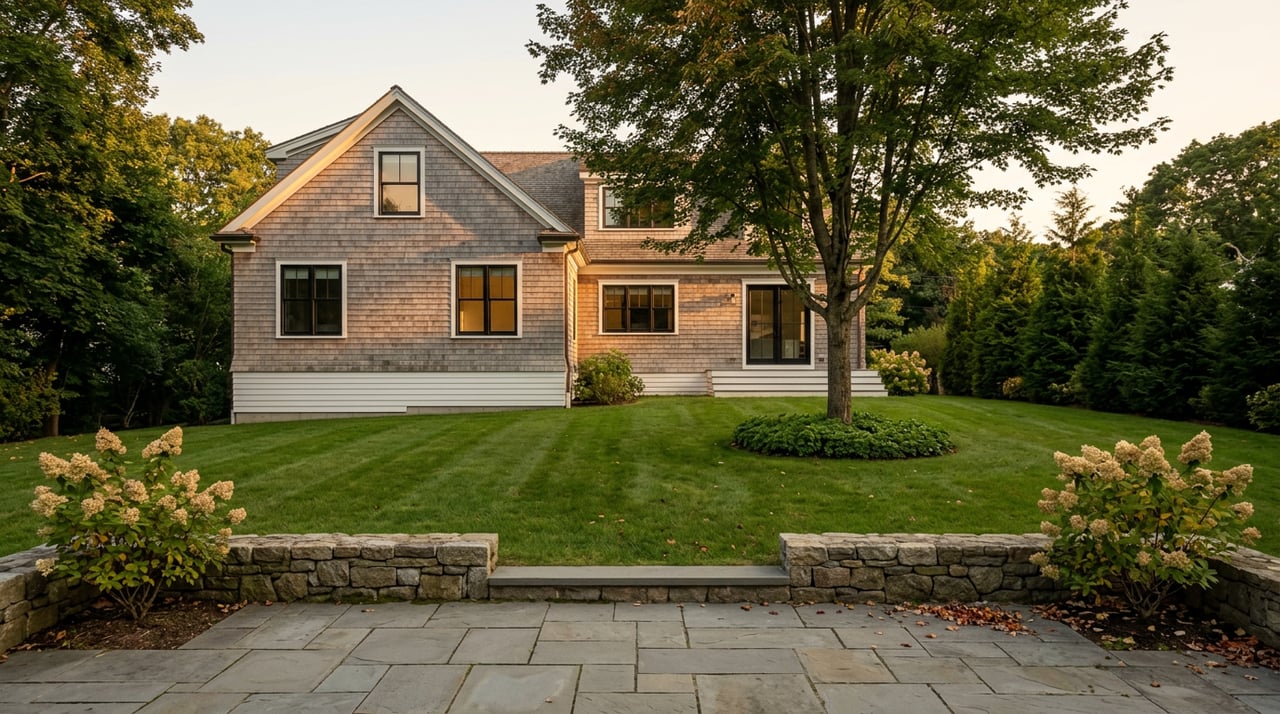
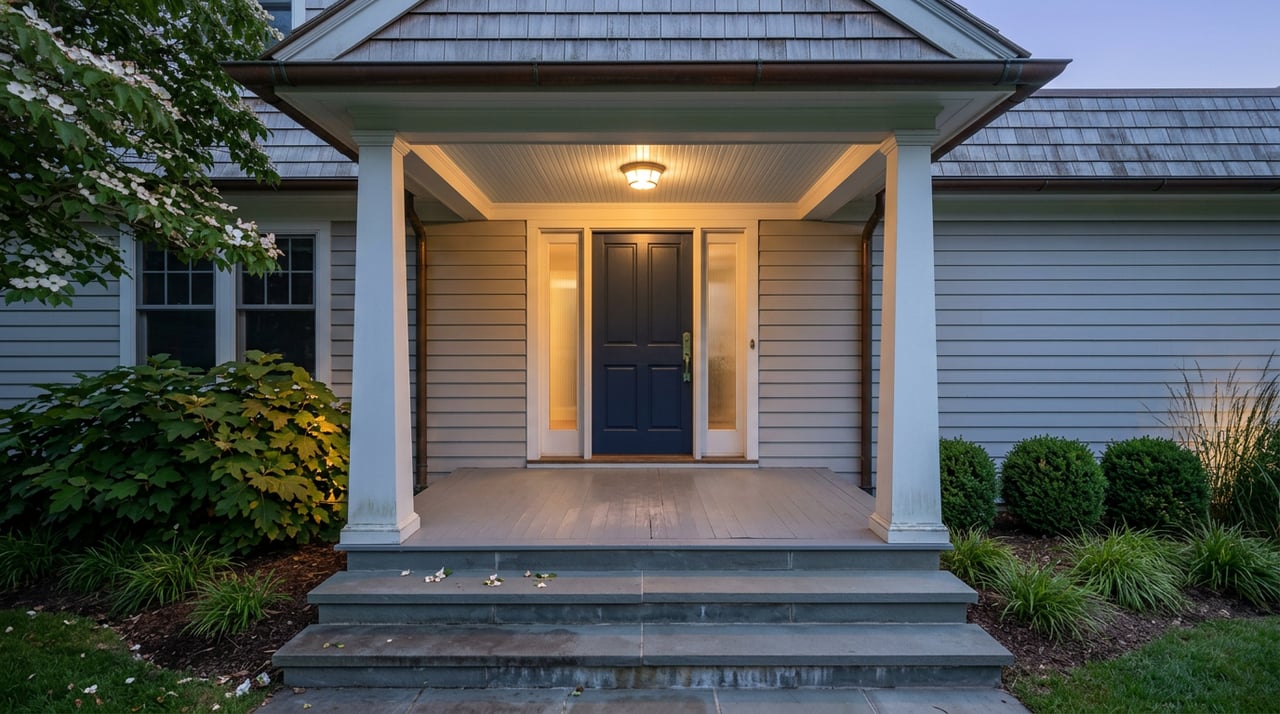
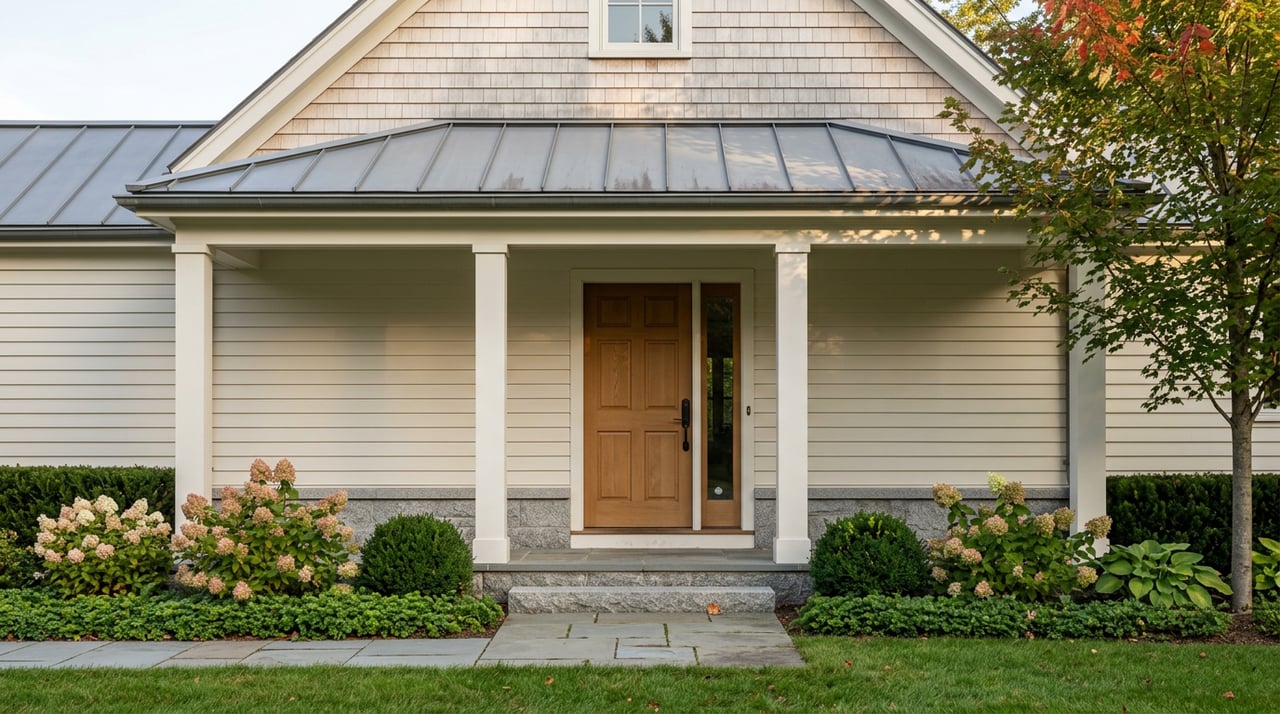
Daily life in Essex County is closely tied to the kind of housing stock around you. Census QuickFacts lists a 2024 county population of 823,938, 332,080 housing units, a 64.0% owner-occupied rate, a median owner-occupied home value of $584,000, and a median rent of $1,673.
Those numbers help explain why many buyers spend time comparing coastal towns, downtown settings, and inland communities. The price point is meaningful, so your choice is often about both budget and lifestyle fit.
Historic homes are part of the landscape
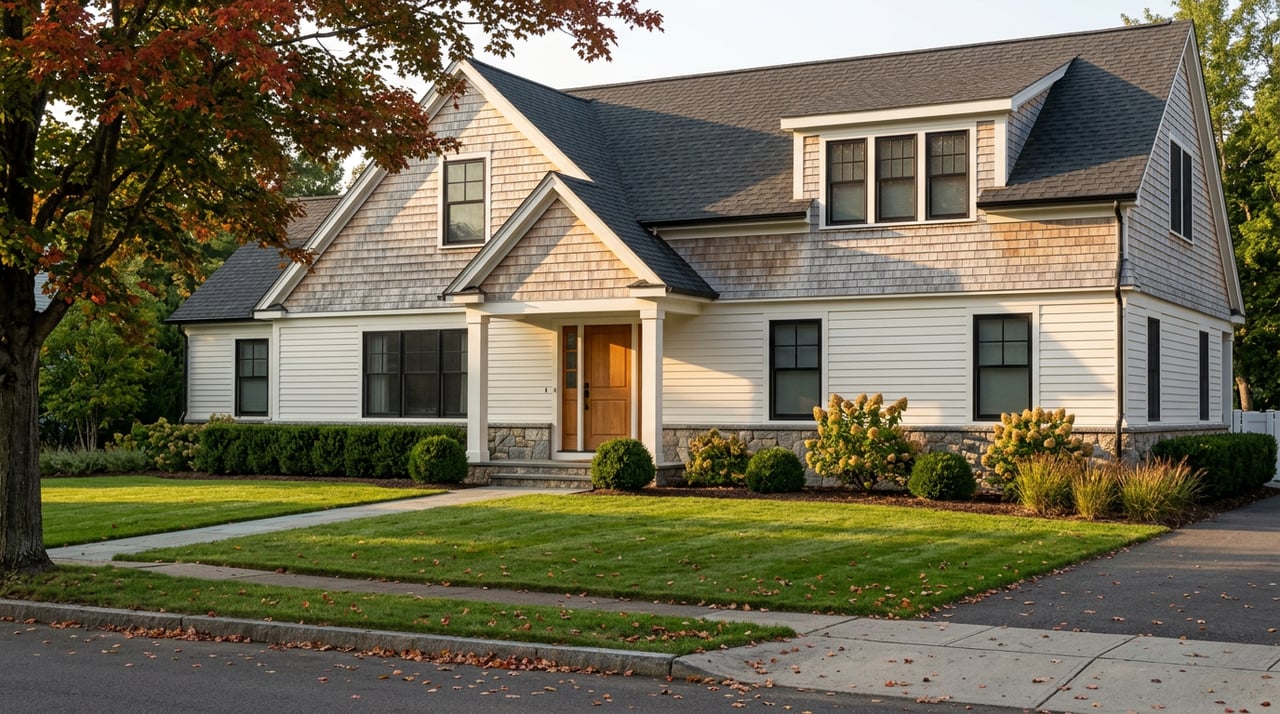
In many Essex County communities, older homes and established streets are part of everyday life. Newburyport’s historic district includes building styles from the 17th century through the 1930s, while Salem and Andover preservation materials also point to a wide mix of older architectural styles.
For you, that can mean neighborhoods with mature streetscapes, older facades, and homes that may have updated interiors behind historic exteriors. Even if you are not shopping specifically for a historic property, you will likely notice how much the built environment shapes the feel of many towns.
Housing options vary widely
Essex County is not all single-family neighborhoods. In denser cities, the housing mix can include multifamily buildings, mixed-use areas, scattered-site housing, and more compact residential patterns, as shown by Lawrence Housing Authority materials.
That matters if you are deciding between convenience and space. Some buyers may prefer a downtown-adjacent condo or multifamily setup near transit and restaurants, while others may lean toward inland communities with a more suburban rhythm.
Commuting is part of the routine
For many residents, getting around is one of the clearest differences between towns. Census data shows a mean commute time of 28.9 minutes, and commuter rail plays a major role in daily life across several Essex County communities.
The MBTA Haverhill Line serves stops including Haverhill, Bradford, Lawrence, Andover, and Ballardvale. The Newburyport/Rockport Line connects North Station to coastal communities including Salem, Beverly, Ipswich, Newburyport, Gloucester, and Rockport.
If you work in or around Boston, that can make a major difference in how your mornings and evenings feel. Instead of thinking only about distance on a map, it helps to think about whether you want your day to revolve around rail access, driving, or a mix of both.
Rail towns often have built-in convenience
Some Essex County towns make errands and outings easier because key destinations cluster near the station area. Mass By Train describes Newburyport’s station as about a mile from downtown, where you will find cobblestone streets, shops, breweries, restaurants, live music, and waterfront views.
Haverhill offers a different version of that same idea, with a downtown stop near cafes, restaurants, parks, and shops. If you value being able to mix commuting, errands, and social time into one area, these kinds of town centers can be a big part of your quality of life.
Salem shows what a transit-rich day can look like
Salem is one of the clearest examples of a transit-rich downtown in Essex County. The city lists MBTA service, bikeshare, ferry service, Salem Skipper, taxi and rideshare options, trolley service, and walking maps.
The ferry is seasonal, operating from late May through October 31, but it adds another option during part of the year. Salem’s commuter-rail station is also less than a mile from downtown destinations, including restaurants, museums, historic sites, and the waterfront, which helps explain why some residents experience daily life there with less dependence on a car.
Outdoor life changes with the seasons
If you picture Essex County as a summer destination, that is only part of the story. The county has a strong coastal summer rhythm, but outdoor life continues well beyond beach season.
That seasonality matters when you think about how you will actually live in a place year-round. Some areas feel busiest and most active in the warmer months, while others offer a steadier four-season outdoor routine.
Summer often means the coast
Summer in Essex County is strongly tied to the shoreline. The Great Marsh Area of Critical Environmental Concern covers 25,500 acres across Essex, Gloucester, Ipswich, Newbury, and Rowley, including barrier beaches, dunes, salt marsh, and water bodies.
That includes Plum Island and Castle Neck, which are among the Commonwealth’s relatively few major undeveloped barrier beaches. Salisbury Beach State Reservation adds 3.8 miles of shoreline with swimming, boating, and camping.
In Gloucester, beach access rules and parking reservations at beaches like Good Harbor and Wingaersheek show just how active summer beach life can be. If you live near the coast, your day-to-day rhythm may shift noticeably in the summer with more visitors, more beach traffic, and easier access to the water.
Fall, winter, and spring still stay active
The outdoor lifestyle does not stop when summer ends. Maudslay State Park in Newburyport offers 19th-century gardens, rolling meadows, 16 miles of trails, summer educational programs, and cross-country skiing.
Harold Parker State Forest in Andover includes 35 miles of trails, 11 ponds, campsites, and activities like hiking, camping, boating, swimming, ice skating, and cross-country skiing. Halibut Point State Park in Rockport is open year-round, and Bradley Palmer State Park in Topsfield adds wooded paths, meadows, and seasonal scenery.
If you want a location where outdoor time is part of your normal week, not just a special occasion, Essex County gives you a lot of ways to build that into your routine.
Culture and weekend plans are easy to find
Everyday life is not only about work, errands, and housing. It is also about what you can do on a regular Saturday, where you meet friends, and how easy it is to find something interesting close to home.
Essex County has a strong cultural layer that shows up in museums, historic sites, downtown dining, and waterfront destinations. North of Boston tourism notes more than 40 museums and many heritage sites across the region.
History is part of the backdrop
In Salem, Salem Maritime National Historical Park preserves nine acres and 12 historic structures along the waterfront, interpreting more than 600 years of maritime history. The Peabody Essex Museum adds another major cultural anchor in the downtown area, with exhibitions spanning art, culture, Salem’s witch-trials history, nature, and science.
What that means for you is simple: in parts of Essex County, history is not something tucked away. It is part of the streetscape, the waterfront, and the places people visit year-round.
Downtowns help create routine
Rail-served places like Salem, Newburyport, and Lawrence show how restaurants, parks, shops, breweries, and cultural venues often cluster together. That kind of setup can make a big difference in daily life because it gives you more options close to home.
Instead of needing a major plan for every outing, you may have an easier time fitting in dinner out, a waterfront walk, a museum visit, or a quick stop downtown during the week. For many buyers, that kind of convenience becomes a real quality-of-life factor.
What everyday life may feel like for you
If you are trying to picture your own life here, it helps to think in broad lifestyle categories. Essex County can support a few very different day-to-day patterns.
You might find yourself in a coastal community where summer becomes a major part of the local rhythm. You might choose a rail town where commuting and downtown access shape your week. Or you may prefer an inland setting where parks, trails, and a more suburban pace define your routine.
That is why Essex County often appeals to a wide range of buyers. It offers variety without feeling disconnected from the larger region, and that gives you more ways to match your home search to how you actually want to live.
For buyers, sellers, and even owner-occupant investors, that lifestyle match matters just as much as square footage or list price. The smart move is to compare not only homes, but also what your Monday through Sunday life will really look like in each area.
If you are weighing Northern Massachusetts options and want a practical, local strategy for your move, Kyle Waszeciak can help you compare towns, housing types, and day-to-day tradeoffs so you can make a smart decision with confidence.
FAQs
What is everyday life in Essex County like for homebuyers?
- Everyday life in Essex County depends heavily on the town, with some areas offering coastal living, some offering rail-based commuting and walkable downtowns, and others offering a more suburban or inland routine.
How do people commute from Essex County to Boston?
- Many residents use the MBTA, especially the Haverhill Line and the Newburyport/Rockport Line, while others drive depending on where they live and work.
What kinds of homes are common in Essex County?
- Essex County includes a wide mix of housing, including historic homes, single-family houses, condos, multifamily properties, and denser urban-style housing in some communities.
What is summer like in Essex County, Massachusetts?
- Summer often centers on the coast, with beach activity, shoreline destinations, and places like Salisbury Beach, Plum Island, and other coastal areas becoming a bigger part of daily life.
Are there things to do in Essex County year-round?
- Yes, the county offers year-round parks, trails, museums, waterfront areas, and historic destinations, with places like Harold Parker State Forest, Halibut Point State Park, Maudslay State Park, and Salem cultural sites supporting all-season activity.
Why do buyers compare towns carefully in Essex County?
- Buyers often compare towns carefully because housing type, commute patterns, historic character, outdoor access, and price point can vary a lot across the county.